
 |
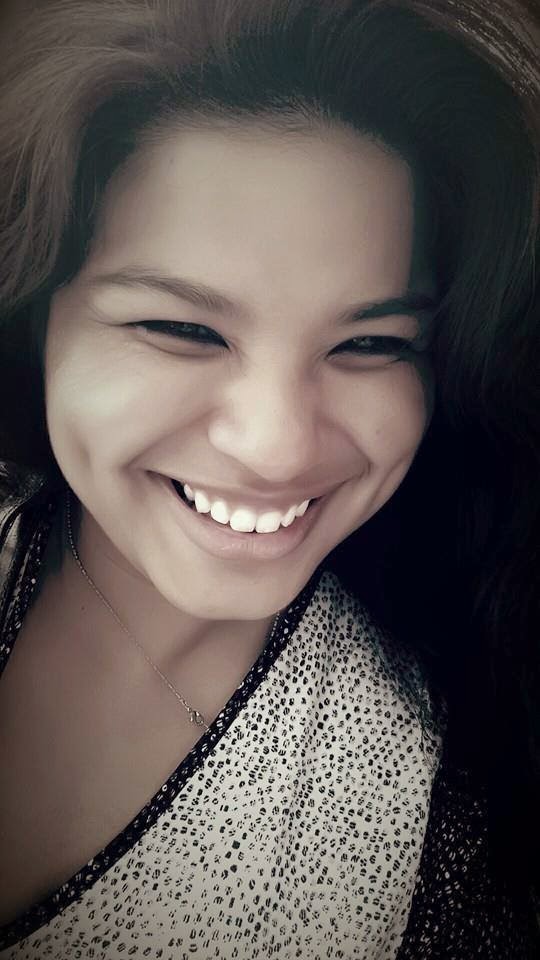
| Chrisni Mendis |
Chrisni could you tell us something about yourself? How old are you, where do you come from…
My name is Chrisni Mendis, I am 19 years old – I’m turning 20 soon – and come from Sri Lanka, but my mother is Taiwanese and I am studying at the Royal Conservatoire of Scotland in Glasgow - bachelor in Music.
How was this passion for music born?
I have always loved music. At first I really loved musical theatre – like Phantom of the Opera, etc. – and I still like it but ever since I heard my first opera, which is Puccini’s Tosca 2009 version at the Royal Opera House, I’ve just fallen in love with it and couldn’t stop thinking about it. I fell in love with classical music recently, when I was 16-17 years old and I started to get into opera seriously.
How did you find Istituto Europeo?
The first year at the Royal Conservatoire we have Italian courses. I thought that two months - July and August – it’s a long time and I didn’t really want just to go home and do nothing. I thought I could learn Italian and try to get the pronunciation properly – it’s better for my music. So my mum actually helped me, she was looking at stuff online and told me “This school is in Florence!”, because I wanted to be somewhere in Tuscany, since the Italian in Tuscany is used in opera. I would really like to go to Florence as well.
What classes are you attending at IE?
I’m attending Italian language classes in the morning. For music classes I do Repertoire class, just recapping on what repertoire is; the teachers helps me out in expressing and placing the voice in my pieces. Then I’m doing Libretto class which is mainly to analyze the text and discover really what the characters are alike in opera. Now I’m focusing on Don Giovanni because I love it, it’s a beautiful opera. And then last class is Diction class, because I’m not Italian so I don’t know how to speak Italian and get the Italian pronunciation, especially when I sing.
Are you enjoying the courses?
Oh definitely: the classes are really useful. I feel that I’m improving: before I came here I had a huge problem with my Italian, people couldn’t understand me when I was singing. Now my Italian is getting better and people understand me!
Do you feel any differences between Italy and Scotland in music teaching?
Back in Scotland I use to get a piece of music, listen to it and then I just play it. But, especially while I was here, I realized that there is a process. Now, when I get a piece of music I check it first, I try to read out the Italian a couple of times; then I read it to the rhythm and then I go and understand what each word means, not the whole phrase. Only after this process I play it out. After that I practice with vowels, then I put the consonants in after I have perfected all of that I sing it through once and put the emotions in. It’s a longer process but once you get used to it it’s very easy. That’s why I’m taking diction class: because the more I do diction, the easier and quicker it is.
What do you like most of Italy – and of Florence in particular?
I would just say the personality of people. Everything is so exaggerated, like “bellissimo!” or “benissimo!”, there is no middle ground: everything is really good or really bad. I’ve been one year in Scotland and there everything is just in the middle, there is no up and down: when people talk it’s very flat. Over here is completely different, I just love it.
About Florence, I would say: just walking around and looking at everything. Of course the are the big places that you have to go to, like the Duomo, Uffizi Gallery; but for example you can just go on S. Trinita bridge and look at Ponte Vecchio and the river for a while and just relax. It’s Florence, it’s very calming: it’s not like in the UK where we do everything quickly. I think that if you just rush from one place to another in Florence you are not really experiencing this city. Florence and Italy is about walking slowly, experiencing the atmosphere.
Would you recommend this experience?
Definitely. For singers, I really recommend to go to the place where the music was born, because you get a full understanding of what the culture was like and what the people were like. For example, the little characters in opera are born from Italy, they were actual people at that time. If you are here you see these people, you see them walking, laughing, eating and you see how it was like. For “normal” students I would say: come to just experience how other people from different countries are like. It’s very important for a person, especially young people, to be “worldly” and learn how to accept other countries. I think that just going to another country and staying with a family in that country could reduce or even stop a lot of things like racisms and other big social problems.
Do you have a piece of advice to give to someone who wants to start a career in music?
There’s never enough time to practice. Of course you don’t have to stay all the time in a room and sing but you always have to try to learn different things. To be a musician is one of the hardest things a person would ever have to do in their life. Because they do not have only to understand the music but also the type of people who wrote the music, the type of characters that they have to become. To be a musician you have to understand life more than any other profession. The people who wrote the music went through suffering, happiness, heart break. To be a good musician of course you have to practice, but you also have to live life to the fullest: you cannot play a heart-broken person if you have heart-broken. Take any opportunity, go out, live life… Do not sit in your room and play videogames!


